Wondering if Holden can work for you when your job, appointments, or family routine regularly pull you toward Worcester or beyond? That is a common question for buyers who want more space and a quieter day-to-day setting without losing access to major regional connections. If you are weighing that tradeoff, this guide will help you understand what commuting from Holden really looks like, what kind of home setup tends to work best, and how to think through the move with fewer surprises. Let’s dive in.
Why Holden Appeals to Commuters
Holden sits just north of Worcester and about 40 miles west of Boston. The town covers about 36 square miles, with a large amount of open space, watershed land, and recreation land. According to the town, Holden shifted after World War II into a commuter-oriented residential community.
That background matters because it still shapes daily life today. Holden tends to attract people who want a residential setting with regional access, rather than a place built around dense local transit or highly walkable daily errands. If you are comfortable with a car-first routine, that setup may feel practical and predictable.
What the Average Commute Looks Like
The U.S. Census Bureau lists Holden’s mean travel time to work at 27.3 minutes. Census-based profile data also shows that about 77% of workers drive alone, while roughly 18% work from home. Those numbers suggest a town where driving remains the default commute pattern, with a meaningful share of residents also relying on remote or hybrid work.
For many buyers, that is the real headline. Holden can fit well if you do not need frequent fixed-route transit right outside your door and you are comfortable planning your schedule around the road network. It can be especially appealing if you only commute a few days a week and want more living space the rest of the time.
Roads That Shape the Daily Routine
Holden’s road network is anchored by Main Street, also known as Route 122A, and Route 31. The town notes that Route 122A is state-owned and controlled, and the area also has fast access to major regional routes including I-290, I-190, I-495, Route 140, Route 2, and the Massachusetts Turnpike.
In practical terms, that means your commute often starts with a local drive out of a neighborhood and onto one of those main connectors. From there, many trips flow into Worcester’s larger highway network. If your work or routine takes you across Central Massachusetts, that regional access is a major part of Holden’s appeal.
Commuting to Worcester From Holden
For Worcester commuters, the pattern is usually pretty straightforward. Many drivers leave Holden by way of Route 122A or Route 31, then connect into Worcester’s road system depending on where they need to go. Worcester functions as the nearest major hub for jobs, healthcare, services, and shopping.
This setup can work well if you want some separation between home and the busier pace of the city. You get the benefit of living outside Worcester while still staying closely tied to it for work and daily needs. That is one reason Holden remains a practical option for buyers who want regional convenience without being in the middle of the city.
Commuting to Boston From Holden
If your job takes you toward Boston, your routine usually comes down to two basic choices. You can drive the full route east, or you can drive into Worcester and use Union Station as part of a drive-to-rail routine.
Worcester describes Union Station as an intermodal hub with MBTA commuter rail to Boston, bus service, taxi service, and Amtrak. The city also notes that I-290 connects to I-190, I-495, Route 146, and the Massachusetts Turnpike. For some households, that flexibility is useful because it gives you more than one way to structure the workweek.
A hybrid worker, for example, may decide that driving to Worcester for rail access a few days a week is manageable. Someone with a less flexible schedule may prefer the simplicity of a direct highway drive. The right fit depends on how often you commute, when you need to leave, and how much you value predictability versus flexibility.
Local Transit in Holden
Transit options in Holden are more limited than what you will find in Worcester. WRTA lists Holden as a member community, but the town-specific WRTA information focuses on demand-response service through the Holden Council on Aging rather than broad local fixed-route commuting options.
According to that profile, eligible seniors and residents with disabilities can use shared-ride service within town, along with rotating out-of-town medical trips to Worcester and nearby towns. There is also a separate Holden-to-Worcester service during early morning and late afternoon hours. Holden’s senior transportation page describes curb-to-curb van service, advance reservations, first-come, first-served scheduling, and possible weather-related cancellations.
As of June 2026, WRTA says fares on fixed-route and paratransit service are suspended through June 30, 2026. Even so, if you are house hunting in Holden, it is smart to view local transit as a limited support option rather than the backbone of a daily commute.
Winter Is Part of the Commute Plan
In Central Massachusetts, winter can change the equation fast. Holden’s transportation information notes that senior van service can be canceled in inclement weather, and WRTA publishes snow-route and detour procedures for bad-weather service days.
Even if you drive, weather still affects timing, road conditions, and daily planning. If you are considering Holden, think beyond a sunny Saturday showing. Ask yourself how an early departure, driveway maintenance, snow storage, and road conditions will affect your normal routine in January as much as in June.
What Kind of Home Works Best for a Regional Commute
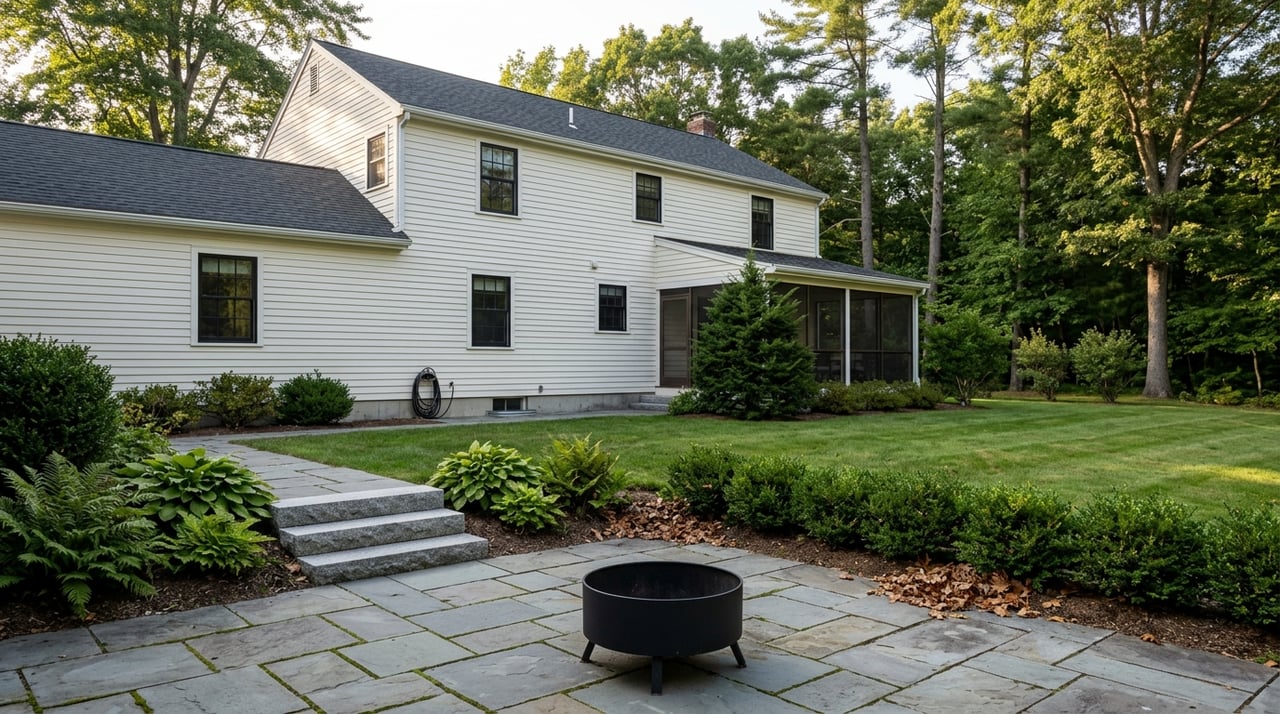
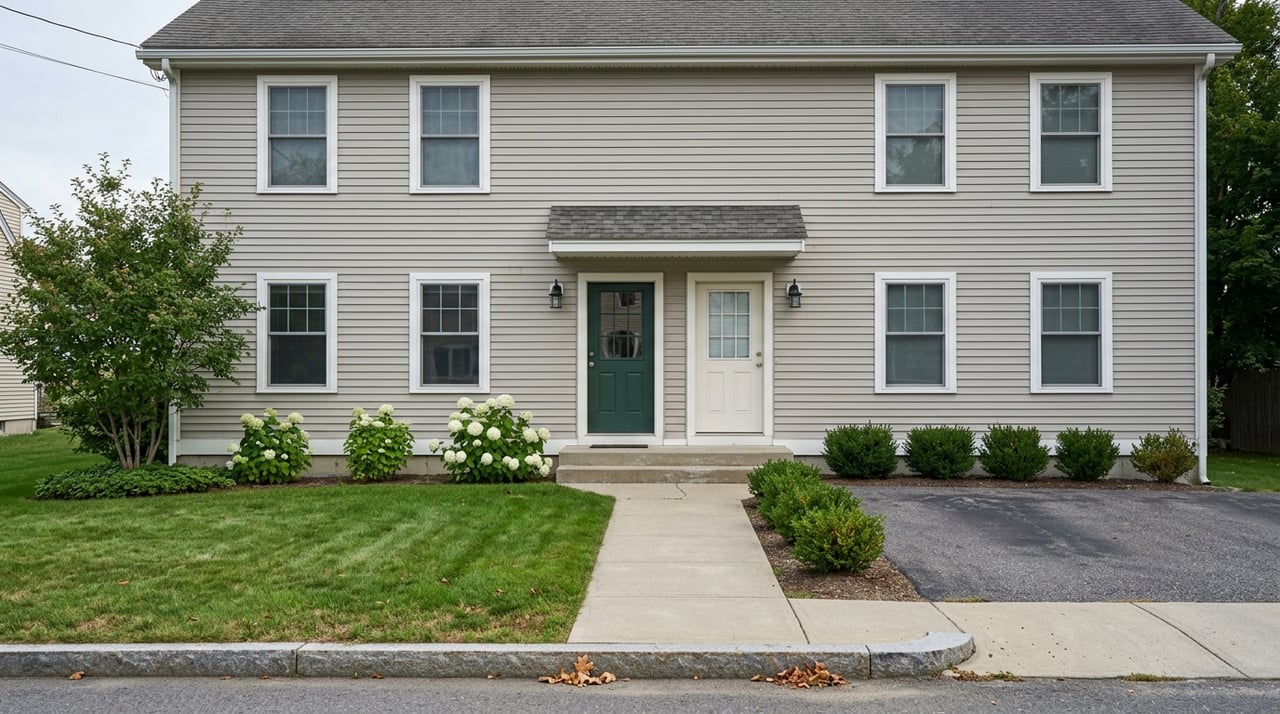
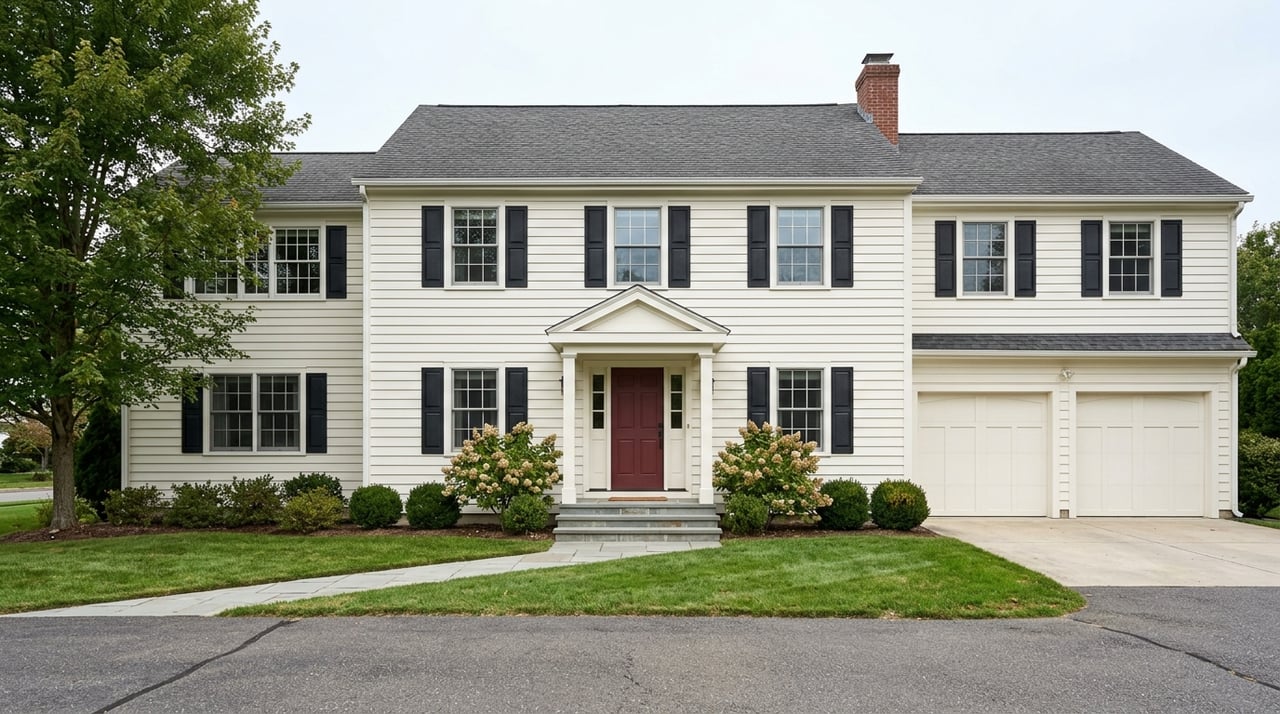
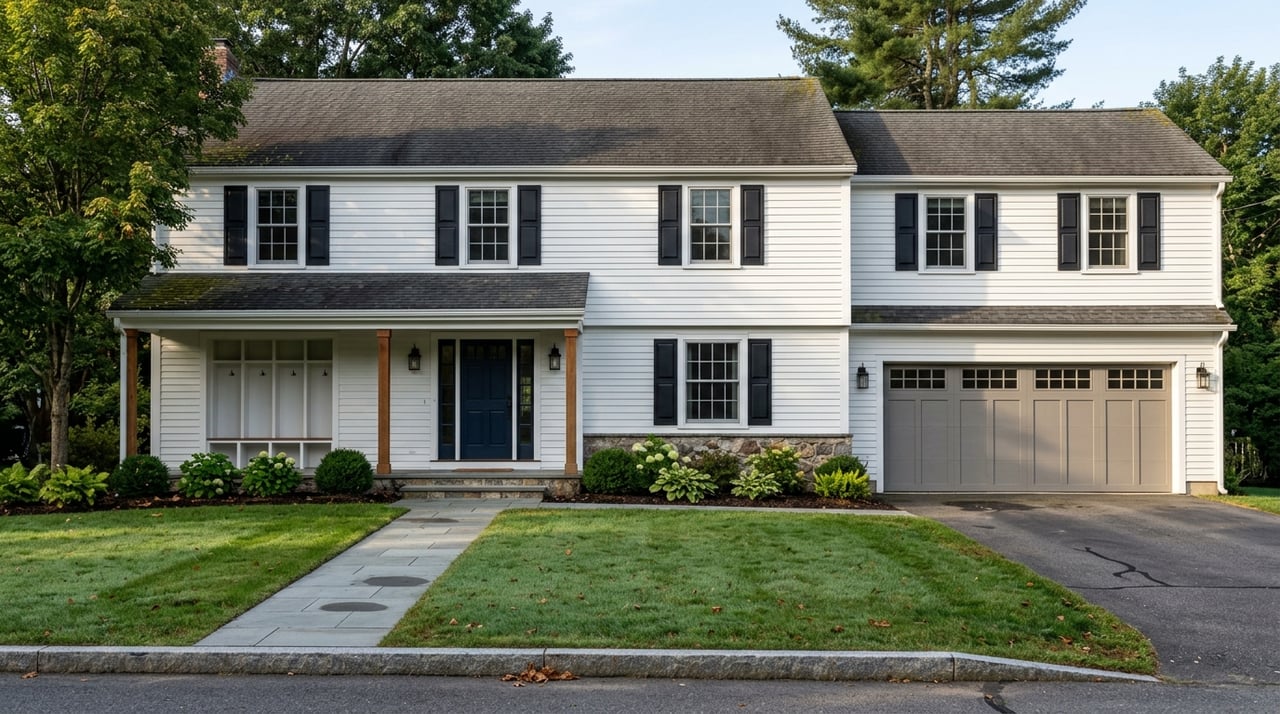
If you are buying in Holden with a regional commute in mind, convenience usually matters more than walkability. A practical commuter-friendly setup often includes easy access to Route 31 or Route 122A, off-street parking or a garage, and a layout that supports early mornings, work-from-home time, or winter weather.
That does not mean every buyer needs the same thing. Some people want a quick path out of town on workdays. Others care more about garage space, driveway function, or a home office because they commute only part of the week. The key is matching the home to your actual routine, not an idealized version of it.
Holden’s Housing Profile at a Glance
Holden’s housing numbers point to a town with a relatively stable, owner-occupied profile. Census QuickFacts shows an 85.3% owner-occupied housing rate, a median owner-occupied home value of $470,700, median monthly owner costs with a mortgage of $2,603, median monthly owner costs without a mortgage of $986, and a median gross rent of $1,648.
QuickFacts also shows that 95.1% of residents lived in the same house one year earlier. For buyers, that can suggest a market where many households are planning for the long term. If you are moving to Holden, it often makes sense to think in terms of how the home will support your routine for several years, not just how it feels on day one.
The Tradeoff: More Space, More Driving
This is probably the biggest decision point. Holden’s larger land area and open-space setting can offer the quieter environment and extra space many buyers want, but that often comes with more driving built into everyday life.
For some households, that is an easy trade. If you value parking, yard space, storage, or a less dense setting, Holden may check the right boxes. If you want to walk to most errands or depend on frequent local transit, the fit may be less natural.
Questions to Ask Before You Buy in Holden
Before you commit to a home, it helps to pressure-test the commute and the day-to-day logistics. A few practical questions can make your decision a lot clearer.
- How many days per week will you actually commute?
- Will you drive the full route, or drive to Worcester for rail access?
- How important are garage space and off-street parking?
- Does the home’s location make winter mornings easier or harder?
- If you work remotely part-time, do you need a dedicated office or quiet flex space?
- Are most of your regular errands, appointments, and activities already centered in Worcester or nearby towns?
These are not small details. They often have more impact on your quality of life than cosmetic features inside the house.
A Smart Buying Strategy for Commuters
If Holden is on your list, the best approach is usually simple and disciplined. Start with your real weekly routine, map the routes you expect to use most, and define the home features that support that routine.
From there, focus your search on properties that fit both your housing goals and your transportation habits. That keeps you from overpaying for features you will not use or overlooking practical issues that could become daily frustrations. A clear plan helps you buy with confidence instead of guessing.
If you are weighing Holden against Worcester, West Boylston, Sterling, or another Central Massachusetts town, a direct side-by-side comparison can also help. The right answer is not just about distance on a map. It is about how the location, road access, and home setup support the life you actually live.
If you want straightforward guidance on whether Holden fits your commute, budget, and next move, connect with Thomas Beech. You will get clear advice, practical local insight, and a process built to keep your move on track.
FAQs
Is Holden MA a good town for Worcester commuters?
- Holden can be a practical choice for Worcester commuters because it sits just north of the city, with common routes flowing through Route 122A, Route 31, and Worcester’s larger highway network.
What is the average commute time for people living in Holden MA?
- The U.S. Census Bureau lists Holden’s mean travel time to work at 27.3 minutes.
Can you commute from Holden MA to Boston?
- Yes. Many commuters either drive east for the full trip or drive into Worcester and use Union Station for MBTA commuter rail service to Boston.
Does Holden MA have public transportation for daily commuters?
- Holden has more limited local transit than Worcester, and the town-specific information emphasizes demand-response transportation through the Holden Council on Aging rather than broad local fixed-route commuting service.
What should buyers look for in a Holden MA commuter home?
- Many buyers prioritize access to Route 31 or Route 122A, off-street parking or a garage, and a layout that supports early departures, remote work, or winter weather.
Is Holden MA more car-dependent than Worcester?
- In general, yes. The local transportation setup, road access, and limited town-focused transit options point to a more car-first routine than what you would typically find in Worcester.