Buying an attached home in Holden can look simple on the surface, but the details matter fast. A townhouse may look like a condo, a condo may function a lot like an HOA community, and the monthly payment you expect can change once you factor in dues, taxes, and association rules. If you want a clear, no-nonsense way to compare your options in Holden, this guide will walk you through what to check before you buy. Let’s dive in.
Condo vs. townhome in Holden
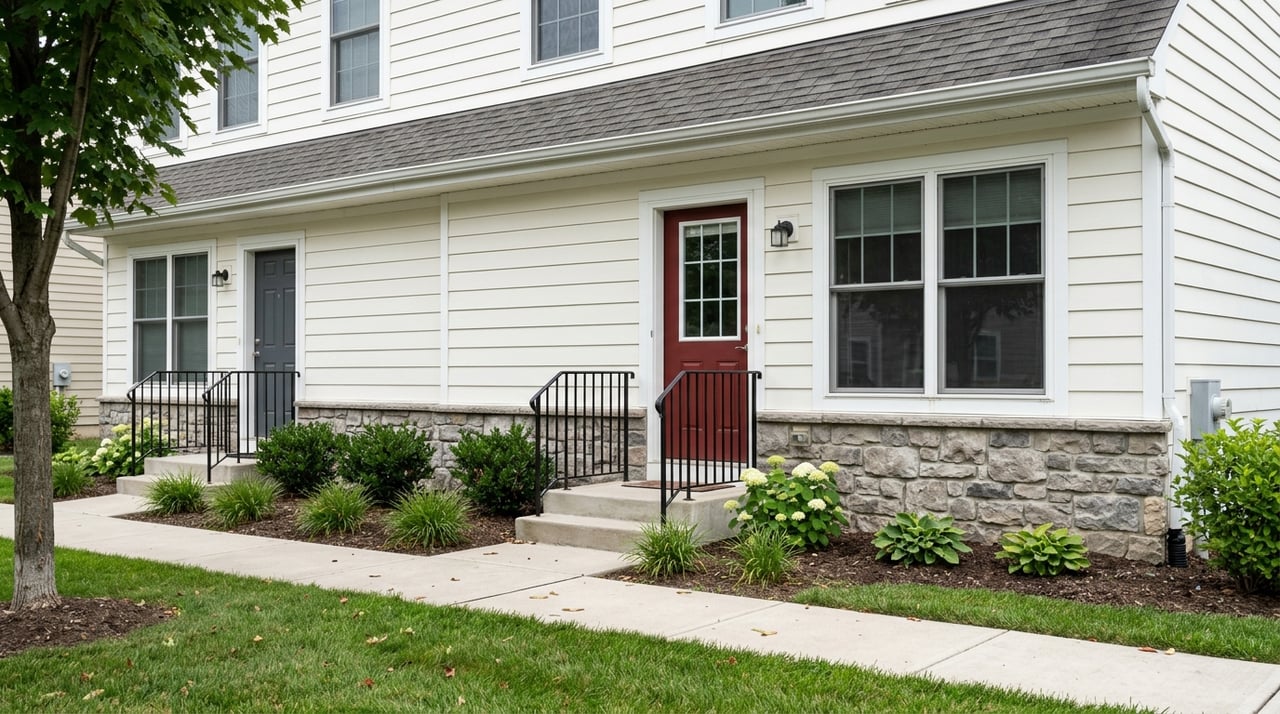
In Holden, a townhouse and a condominium are not automatically the same thing. A townhouse describes a home style, while a condominium describes a legal ownership structure.
Holden’s zoning bylaw recognizes townhouse residences in cluster residential development and open space residential development. It also separately defines a condominium as a form of housing tenure where units are individually owned and common facilities are shared. That means you should confirm the ownership structure through the recorded documents, not by how the property looks from the street.
That distinction matters because ownership drives responsibility. If a property is organized as a condominium, the recorded documents will help define what you own, what the association maintains, and how costs are shared.
How attached housing shows up in Holden
Holden’s attached-housing market is relatively small and community-based. Current listing snapshots show examples like The Oaks of Holden at 218 Reservoir Street and Westminster Place at 4 King Philip Trail.
These examples are helpful because they show the range of what you may find locally. The Oaks appears as a 55+ condo community with units roughly in the 1,100 to 1,365 square-foot range, while Westminster Place appears as a newer single-level condo community. These are live-market examples, not market-wide averages, but they help show how attached housing can vary in Holden.
Holden zoning also allows open-space residential developments that may include common land conveyed to a homeowners association, corporation, or trust owned jointly by owners. So even if a home is not in a traditional apartment-style condo building, it may still function with shared ownership and shared rules.
Why ownership documents matter
In Massachusetts, condominiums are privately owned, managed, and governed through their master condominium documents, deed, bylaws, and Chapter 183A. The state does not provide regulatory oversight over condos in the way some buyers assume.
That puts more weight on the documents you review before you buy. The recorded master deed must describe the land, buildings, unit designations, common areas, floor plans, permitted use, amendment process, and the organization that manages the condominium.
The bylaws must cover issues like maintenance and repair, fee collection, hiring a manager if needed, rule adoption, and restrictions on use and maintenance. In plain English, this is where you learn how the community actually operates day to day.
What your monthly cost really includes
One of the biggest mistakes buyers make is comparing a condo or townhome to a single-family home based only on price. In Holden, your true carrying cost usually includes mortgage payment, property taxes, HOA dues, insurance, and the possibility of a special assessment.
Holden’s assessor lists the FY2026 tax rate at $13.48 per $1,000 of assessed value, and the town uses quarterly tax billing. At that rate, a home assessed at $400,000 would imply about $5,392 per year in property tax before HOA dues or mortgage costs.
That matters because Massachusetts treats each condo unit and its interest in the common areas as an individual parcel of real estate for assessment purposes. So even though the common areas are shared, your unit still carries its own tax obligation.
HOA fees in Holden can be significant
Current Holden listing snapshots show that HOA fees can be a real part of the budget. One Oaks of Holden unit is shown with a $300 monthly HOA fee, another with a $470 monthly fee, and Westminster Place is shown at $381 per month.
In one Oaks example, the listed HOA fee includes water, sewer, insurance, maintenance structure, maintenance grounds, snow removal, trash, and reserve funds. That can offset some costs you would otherwise handle yourself in a single-family home, but it still needs to fit your monthly budget.
The key is to compare all-in cost, not just the list price. A lower-maintenance lifestyle can be valuable, but you want to know exactly what you are paying for.
Low dues are not always better
A lower HOA fee can look attractive, but it is not always the better deal. Massachusetts law requires common expenses to be allocated according to the recorded formula, and owners cannot avoid those charges by choosing not to use the amenities or by abandoning the unit.
The association also has a lien for unpaid common expenses. That means dues are mandatory, and they should be treated as a fixed part of homeownership, not an optional extra.
Just as important, a low monthly fee may not mean the association is financially strong. If reserve funding is weak, owners may face a special assessment later for repairs or capital projects.
What to review before you make an offer
Condo and townhome due diligence is usually more document-heavy than buying a single-family home. The goal is simple: understand the rules, the finances, and the risk before you commit.
Here are the core items to review:
- Recorded master deed and any amendments
- Recorded bylaws and any amendments
- Unit deed
- Current budget
- Latest financial report
- Reserve-fund information
- Current insurance policies
- Meeting minutes, if kept
- Management or maintenance contracts
Massachusetts law requires the organization of unit owners or its manager to keep many of these records, including financial records, reserve-fund records, contracts, and insurance policies, and to make them available for reasonable inspection.
Questions to ask about the association
Before you move forward, ask direct questions. This is one of the best ways to reduce surprises after closing.
Start with these:
- Is there any pending special assessment?
- How strong are the reserve funds?
- Is there any active litigation?
- Is the association self-managed or professionally managed?
- What exactly does the monthly fee cover?
- Have fees increased recently?
- Are there major projects planned?
Massachusetts law allows associations to levy special assessments and collect common expenses through the budget process. So if fees seem unusually low, it is smart to ask whether the reserve position supports that number.
Rules that can affect daily life
The financial side matters, but so do the rules. Many of the practical limits that affect your day-to-day use of the property are found in the bylaws or rules and regulations.
You should confirm topics like:
- Rental limits
- Pet rules
- Parking rules
- Age restrictions
- Electric-vehicle charging policies
- Maintenance responsibilities for decks, patios, roofs, or exterior areas
Massachusetts law specifically allows bylaws to address maintenance responsibilities, fee collection, hiring a manager, rule adoption, and restrictions on use and maintenance. If a rule would affect how you plan to live in the home, verify it in writing before you buy.
Financing can depend on the project
With attached housing, financing is not only about your income, credit, and down payment. The project itself can matter too.
Fannie Mae says lenders use condominium project questionnaires to evaluate project eligibility. HUD says FHA condo financing depends on project approval or single-unit approval and may review insurance, financial condition, title, pending legal action, and physical condition.
That means two units with similar prices can have different financing paths based on how the community is set up and managed. If you are shopping in Holden, it helps to ask early whether the project may affect your loan options.
Condo or single-family in Holden?
For some buyers, a condo or townhome is the right fit because it can reduce direct responsibility for exterior maintenance and some shared costs may already be built into the HOA fee. For other buyers, a single-family home feels better because it offers more direct control and fewer shared rules.
In Holden, the smarter comparison is not “Which one is cheaper on paper?” It is “Which one fits your budget, risk tolerance, and daily lifestyle once all costs and rules are included?”
A single-family home usually means more direct responsibility for maintenance, repairs, and replacement planning. An attached home can shift some of that workload to the association, but you take on HOA dues, reserve-fund risk, and community rules in return.
A practical Holden buying checklist
If you are comparing condos and townhomes in Holden, keep your process simple and disciplined.
Use this checklist:
- Confirm whether the property is a condo, townhouse-style home, or another ownership setup.
- Review the master deed, bylaws, and any amendments.
- Calculate total monthly cost including taxes, HOA dues, insurance, and mortgage.
- Ask what the HOA fee covers.
- Review reserves, financial reports, and any planned assessments.
- Check rules for pets, parking, rentals, and age restrictions.
- Ask whether the project could affect financing.
- Compare the attached-home option against a single-family home based on both normal-month and stress-month affordability.
That last point is especially important in Holden. Between quarterly property taxes, monthly HOA dues, and the possibility of special assessments, you want to know how the budget holds up when costs are not perfectly predictable.
Final thoughts for Holden buyers
Buying a condo or townhome in Holden can be a smart move, but only if you understand what you are buying. The layout, price, and curb appeal are just the starting point. The real decision comes down to ownership structure, monthly carrying cost, association health, and rules that fit your life.
If you want clear guidance as you compare attached homes in Holden, Thomas Beech can help you break down the numbers, spot the red flags, and move forward with a plan that makes sense.
FAQs
What is the difference between a condo and a townhome in Holden, MA?
- A townhome is a style of home, while a condominium is a legal ownership structure. In Holden, you should confirm the actual ownership setup through the recorded documents rather than assuming based on appearance.
What HOA fees should you expect for condos in Holden, MA?
- Current listing snapshots in Holden show monthly HOA fees such as $300, $381, and $470, depending on the community and what is included. These are examples from active listings, not market-wide averages.
How are condo property taxes handled in Holden, MA?
- Holden lists an FY2026 tax rate of $13.48 per $1,000 of assessed value, and taxes are billed quarterly. Massachusetts treats each condo unit and its share of the common areas as an individual parcel for tax assessment.
What documents should you review before buying a condo in Holden, MA?
- You should review the master deed, bylaws, unit deed, budget, financial report, reserve-fund information, insurance policies, meeting minutes if kept, and management or maintenance contracts.
Can condo financing be harder in Holden, MA?
- It can be, because lenders may review the condominium project itself in addition to your personal qualifications. Project finances, insurance, legal issues, and approval status can affect loan options.
Should you buy a condo or a single-family home in Holden, MA?
- That depends on your budget, lifestyle, and comfort with shared rules and association risk. The best comparison is total carrying cost, maintenance responsibility, and how each option fits your day-to-day needs.